

Cancer Surgery in Kanpur – Liver, Pancreatic & GI Cancer Surgery
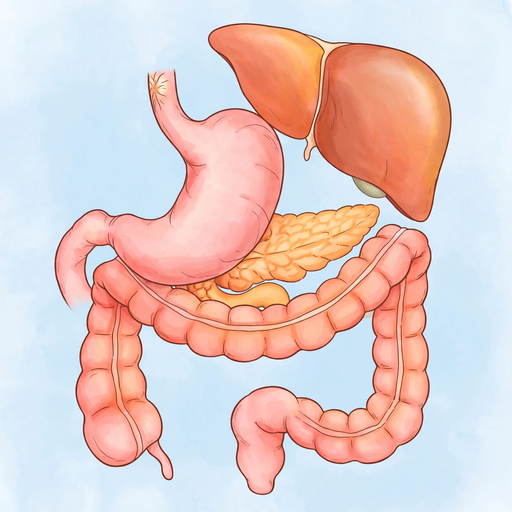
Cancer surgery in Kanpur at Digestive Care Clinic is surgery to remove a cancer, or part of an organ affected by cancer, in the digestive system — liver, pancreas, gallbladder, bile ducts, esophagus, stomach, small intestine and colon or rectum. It is led by Dr. Himanshu Gupta, a GI and HPB surgeon trained in GI surgery, HPB surgery and liver transplantation (PGIMER Chandigarh), working with gastroenterologist Dr. Anurag Sachan for endoscopy, biopsy and staging.
Cancer surgery is rarely a single decision. Before an operation, the team reviews staging scans, biopsy and blood reports, fitness for anaesthesia, and whether chemotherapy, radiotherapy, endoscopic treatment or surgery — alone or in combination — is the right plan. That plan is decided only after specialist assessment at the clinic, and in discussion with oncology colleagues where needed. Surgery cannot be promised to cure a cancer; what it can and cannot achieve depends on the cancer type, stage and your health, and the surgeon will explain that honestly.
Dr. Himanshu Gupta — MBBS (GSVM Medical College, Kanpur), DNB General Surgery (Holy Family Hospital, New Delhi), MCh GI Surgery, HPB & Liver Transplantation (PGIMER Chandigarh), with senior residency at AIIMS New Delhi and fellowships in advanced laparoscopic surgery, robotic surgery, bariatric surgery and advanced HPB surgery leads the surgical team, supported by Dr. Anurag Sachan — MBBS (AFMC Pune), MD & DM (Gastroenterology, PGI Chandigarh), Gold Medalist — and Dr. Saraswati Kushwah, MBBS, MD (Internal Medicine). The clinic has a Hybrid OT equipped for therapeutic gastroenterology and minimally invasive surgeries, and a procedure room for minor surgical procedures.
Book a consultation for cancer surgery in kanpur: Call +91-95114 00141 (Mon–Sat, 4:00 PM – 8:00 PM) or visit 174 W-2 (Doon House), Damodar Nagar, Kanpur, Uttar Pradesh 208027.
Cancer Surgery Procedures in Kanpur
- Liver Cancer Surgery — Operations for liver tumours, including liver resection (removing part of the liver) and surgery for liver cysts and benign tumours, where the tumour and the remaining liver allow it. Related: pancreatic surgery
- Pancreatic Cancer Surgery — Surgery for pancreatic tumours, including Whipple’s procedure (pancreaticoduodenectomy) and distal pancreatectomy in suitable patients, as well as surgery for pancreatic cysts. These are major operations and are advised only after full staging and fitness assessment.
- Gallbladder & Bile Duct Cancer Surgery — Surgery for gallbladder cancer and bile duct cancers, which may include removing the gallbladder with surrounding tissue, bile duct resection, or bypass surgery to relieve jaundice when removal is not possible.
- Esophageal Cancer Surgery — Surgery for esophageal cancer, including esophagectomy (removing part of the esophagus) in suitable patients, often combined with chemotherapy or radiotherapy before or after surgery.
- Stomach Cancer Surgery — Surgery for stomach cancer, including partial or total gastrectomy (removing part or all of the stomach) with lymph node removal, in suitable patients.
- Colorectal Cancer Surgery — Surgery for colon and rectal cancers, including colectomy and rectal resection, often by laparoscopic surgery where suitable, with lymph node removal for staging.
Who Needs Cancer Surgery?
Whether cancer surgery in kanpur is advised for you is decided only after a specialist assessment. It is generally considered for people who:
- A biopsy, scan or endoscopy has found a cancer of the liver, pancreas, gallbladder, bile duct, esophagus, stomach or bowel
- Staging suggests the cancer may be removable by surgery, alone or with chemotherapy / radiotherapy
- You are fit for general anaesthesia and a major operation, after assessment
- You want a second opinion on a cancer operation advised elsewhere
- You have a pre-cancerous polyp, cyst or tumour that may need surgical removal
- You need surgery to relieve a blockage, bleeding or jaundice caused by a cancer
How Does Cancer Surgery Work? Procedure Steps
- Consultation and records: The surgeon reviews the biopsy, scans, endoscopy, blood tests and any previous treatment, and examines you.
- Staging and fitness: Further imaging, blood tests, endoscopy or biopsy, and anaesthesia and fitness checks, to decide whether surgery is advisable and what operation fits.
- Multidisciplinary discussion: Surgery, oncology, radiology and gastroenterology inputs are brought together, and the plan — surgery, chemotherapy, radiotherapy, or a combination — is explained to you.
- Preparation: Nutrition, medicines, fasting and admission instructions, as advised. Tell the team about all medicines, allergies and past operations.
- Operation, histopathology and follow-up: Surgery, recovery, review of the removed tissue (histopathology), and oncology follow-up, scans and clinic reviews as planned.
Comparing Your Options
| Option | How it works | Best for | Recovery |
|---|---|---|---|
| Surgery alone | Removing the cancer and surrounding tissue | Early, removable cancers | Depends on the operation |
| Surgery + chemotherapy | Operation with drug treatment before or after | Many stomach, colorectal and pancreatic cancers | Depends on the operation |
| Surgery + radiotherapy | Operation with radiation before or after | Selected esophageal and rectal cancers | Depends on the operation |
| Palliative surgery | Relieving a blockage, bleeding or jaundice | When removal of the cancer is not possible | Depends on the operation |
Recovery After Cancer Surgery
- Hospital stay: Major cancer surgery usually needs a hospital stay of several days to more than a week, with drains, pain relief and staged feeding.
- First weeks: Wound care, diet as advised (often small, frequent meals after stomach or esophageal surgery), and a gradual return to activity.
- Histopathology: The removed tissue is examined — the report guides whether further treatment is needed.
- Follow-up: Regular clinic reviews, scans and blood tests, and oncology follow-up as planned. Recovery takes weeks to months after major surgery.
Is Cancer Surgery Safe? Risks and Complications
Possible risks depend on the operation and include:
- Bleeding, infection or wound problems
- Bile leak, bowel leak or pancreatic leak (depends on the operation)
- Anaesthesia-related complications and blood clots
- Need for a second procedure or a longer hospital stay
- The cancer being more advanced than scans suggested, so the planned operation changes
- The cancer coming back after surgery, needing further treatment
Serious complications are uncommon. Your surgeon will explain the risks for your situation before the operation. Seek urgent medical care if you have severe pain, continuous vomiting, fever, difficulty breathing, chest pain, or bleeding after surgery.
Cancer Surgery Cost in Kanpur
The cost of cancer surgery in kanpur depends on the operation, your assessment, anaesthesia, and hospital stay. Costs vary widely between hospitals and cases.
For the current price, call +91-95114 00141. Your surgeon will confirm the exact cost after your consultation, with transparent pricing and no hidden charges.
What to Expect at Your First Consultation
Bring your scans, endoscopy, biopsy and blood reports, a list of medicines you take, and a note of allergies and past operations. The surgeon will take a history, examine you, and review your reports with you. You will be told whether further tests are needed, what the options are, and what the next step is — that may be medicines, endoscopic treatment, a period of watching and review, or surgery. There is no pressure to decide at the first visit. Questions to ask include: what operation is being advised and why, what it can and cannot achieve, what the recovery looks like, what the risks are for you, what the alternatives are, where the operation would be done, and what the cost is after assessment.
Follow-up Care After Surgery
Follow-up is part of the treatment, not an afterthought. After surgery you will have clinic reviews to check the wound, review histopathology where tissue was removed, and plan any further treatment — such as oncology follow-up, diabetes or nutrition review, or endoscopic surveillance. Diet, activity and medicines are adjusted at each visit, and you will be told whom to contact and when to seek urgent care. The clinic’s gastroenterology, endoscopy, FibroScan and pathology teams are in the same building, so medical follow-up and surgical follow-up are coordinated rather than left to you to arrange alone.
Related Services at Digestive Care Clinic, Kanpur
- Surgery in Kanpur — All surgery services
- Pancreatic Surgery in Kanpur — Pancreatic tumours and surgery
- Colorectal Surgery in Kanpur — Colon and rectal surgery
- Esophageal Surgery in Kanpur — Esophageal cancer and reflux surgery
- Endoscopy in Kanpur — Endoscopy and biopsy
- FibroScan Liver Test in Kanpur — Liver assessment
Book Your Cancer Surgery Consultation in Kanpur
If you have been advised cancer surgery, or you want to know whether surgery is the right treatment for you, book a consultation at Digestive Care Clinic, Kanpur. Your surgeon will assess you, explain the options, and help you decide on the next steps.
Digestive Care Clinic, 174 W-2 (Doon House), Damodar Nagar, Kanpur, Uttar Pradesh 208027. Call / WhatsApp: +91-95114 00141. Email: digestivecareclinic@gmail.com. OPD Hours: Monday – Saturday, 4:00 PM – 8:00 PM. Appointments: https://digestivecareclinic.com/book-an-appointment/ | https://digestivecareclinic.com/contact-us/
Why Choose Digestive Care Clinic for Cancer Surgery in Kanpur?
- GI and HPB specialist surgeon: Dr. Himanshu Gupta is trained in GI surgery, HPB surgery and liver transplantation, with fellowships in advanced HPB and laparoscopic surgery.
- Staging before deciding: Scans, biopsy, endoscopy and fitness are reviewed before any operation is advised, so surgery is not offered where it cannot help.
- Combined medical and surgical care: Gastroenterology, endoscopy, FibroScan, pathology and surgery in one clinic, with oncology input where needed.
- Minimally invasive where suitable: Laparoscopic surgery is considered for suitable colorectal and other cancer operations, with open surgery when it is safer.
- Honest counselling: What surgery can and cannot achieve, the risks, and the alternatives — including non-surgical treatment — are explained before you decide. No cure is promised.
- Trusted in Kanpur: 500+ patients successfully treated and 100+ advanced therapeutic GI procedures performed, as listed by the clinic.
Frequently Asked Questions
Liver, pancreatic, gallbladder and bile duct, esophageal, stomach, and colorectal cancers, at Digestive Care Clinic, Damodar Nagar, Kanpur — planned by GI and HPB surgeon Dr. Himanshu Gupta after staging and fitness assessment.
No. Many cancers need a combination of surgery, chemotherapy and radiotherapy, and some are treated without surgery. The plan is decided only after specialist assessment and discussion with oncology colleagues.
Surgery can remove the cancer in suitable, early-stage cases, but a cure cannot be promised. Whether surgery can help depends on the cancer type, stage and your health, and the surgeon will explain the expected outcome honestly.
A Whipple procedure (pancreaticoduodenectomy) removes the head of the pancreas, part of the bile duct, gallbladder and part of the small intestine, for suitable pancreatic and bile duct tumours. It is a major operation, advised only after full staging and fitness assessment.
For suitable colorectal and some other cancers, laparoscopic surgery may be possible. Whether keyhole surgery is safe for your cancer depends on the tumour, its stage and your health — the surgeon decides after assessment.
Usually staging scans (CT / MRI / PET where advised), biopsy, blood tests, endoscopy, and anaesthesia and fitness checks. The exact tests depend on the cancer.
The cost depends on the operation, staging, hospital stay and any chemotherapy or radiotherapy. Call Digestive Care Clinic on +91-95114 00141 for the current price after consultation.
Recovery after major cancer surgery usually takes weeks to months, with a hospital stay of several days or more. The surgeon will give a recovery plan for your operation at the consultation.